
You have already been scammed. You are already trying to figure out what to do next. And now someone is contacting you — a person who sounds professional, who knows details about what happened, who says they represent a consumer advocacy group or a law firm or even a government agency — and they are offering to help you recover what you lost.
Before you listen to anything else they have to say, there is one test you can run in the first thirty seconds. It is not about their credentials. It is not about their case number or their badge or their website. It is about what they ask you to send.
Legitimate consumer advocates — the ones who actually help scam victims — do not ask you to send money, credentials, or irreversible payments. The FTC has stated this in plain language: “Neither government agencies nor legitimate organizations will ever ask for money or financial info in exchange for help getting a refund. Anyone who does is a scammer.”
I spent 17 years inside bank fraud investigations. I have watched scam victims get targeted a second time by people claiming to help them. The method is always the same: build trust using real details from the first scam, then ask for one of five things. Each one is a red flag. Together, they are a fingerprint.
Here are the five things a legitimate consumer advocate will never ask you to send.
1. An Upfront Fee
This is the single most reliable red flag in the recovery scam industry.
The FTC has documented that refund and recovery scammers contact victims saying they will help get money back or recover a prize, then tell the victim to pay a “retainer fee,” “processing fee,” or “administrative charge.” The FTC’s guidance is direct: “Don’t trust someone who contacts you claiming they can recover your lost money for a fee. You’ll lose more money.”
Federal law backs this up. Under the Telemarketing Sales Rule, recovery room operators cannot request or receive payment until seven business days after they deliver the recovered money to you. That means any upfront fee is not just a red flag — it is a violation of federal law.
Legitimate consumer advocacy organizations operate on a different model. Citizens Advice, one of the largest consumer advocacy networks in the world, stated it plainly after scammers began impersonating its representatives: “We do not charge for advice, and would never ask people to make payments in return for receiving help.”
What it looks like when a scammer asks:
“We have located your funds, but we need a $450 processing fee to release them.”
“The retainer for our recovery services is $1,200. Once payment is received, we will begin the recovery process.”
“There is a 10% advance fee required to file the necessary paperwork with the court.”
What a legitimate advocate does instead: They provide free guidance. They tell you to contact your bank, the FTC, and IC3. They do not charge you for that information, and they do not ask you to pay before they have done anything.
2. Gift Card Numbers and PINs
If someone asks you to buy gift cards and send them the numbers, you are not talking to a consumer advocate. You are talking to a scammer. There is no exception to this rule.
The FTC has stated: “Gift cards are for gifts, not for payments. Anyone who tells you to pay with a gift card is a scammer, and once you’ve shared the gift card number and pin your money is probably gone.”
No government agency will ever make you pay with a gift card. No legitimate business or organization will require you to pay them with a gift card. The Connecticut Department of Consumer Protection put it in plain terms: “No legitimate organization, government agency, or law enforcement office will ever ask for payment by gift card.”
The reason is simple: gift cards are untraceable and irreversible. Once you read those numbers to someone, the money is gone. There is no bank to call, no transaction to reverse, no chargeback to file. That is precisely why scammers prefer them.
What it looks like when a scammer asks:
“We need you to purchase two $500 Apple gift cards to cover the recovery fee. Read me the numbers on the back.”
“The court requires a bond. Buy a prepaid gift card and send us the card number and PIN.”
“To verify your identity for the recovery, we need a gift card activation code.”
What a legitimate advocate does instead: They never ask for gift cards under any circumstances. If you need to pay for a legitimate service — which is rare for a consumer advocate — you pay through traceable channels, such as a check or a credit card. A request for gift cards is an immediate end to the conversation.
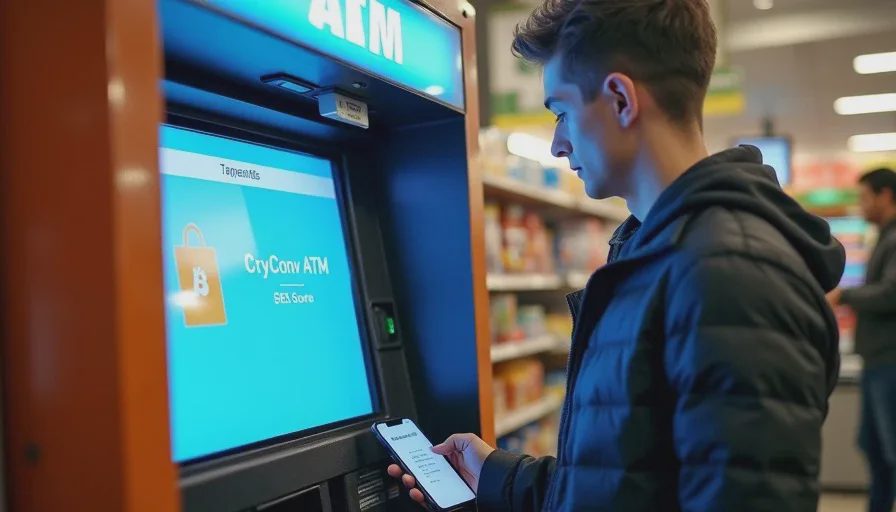
3. Cryptocurrency
Cryptocurrency is the scammer’s second favorite payment method, for the same reason as gift cards: it is irreversible by design.
The FBI’s IC3 has warned that scammers will “not ask for payment to recover lost funds, nor will they refer a victim to a company requesting payment for recovering funds.” The FTC specifically lists cryptocurrency as one of the unusual payment methods that scammers use to make it hard to get your money back: “Anyone who insists that you can only pay that way is a scammer.”
The FBI has also documented that some recovery scammers demand payment through “prepaid cards, couriers, bank wires, cryptocurrency, or cash inserted into cryptocurrency kiosks” — all methods that are either untraceable or irreversible.
There is a second layer to crypto scams that makes them especially dangerous. If someone asks you to send cryptocurrency, they may also ask for your wallet’s private key or seed phrase — the string of words that gives full control over your crypto holdings. The Ethereum Foundation’s security guidance is unequivocal: “Never, for any reason, share your recovery phrase or private keys.” No legitimate support service, advocacy group, or government agency will ever ask for your private keys or seed phrase. Not for any reason.
What it looks like when a scammer asks:
“The recovery will be processed in Bitcoin. Send 0.05 BTC to this wallet address and we will deposit your recovered funds within 24 hours.”
“To verify your wallet ownership, we need your 12-word recovery phrase.”
“There is a blockchain fee of $300. Purchase Ethereum and send it to this address.”
What a legitimate advocate does instead: They never ask for cryptocurrency. They never ask for your seed phrase or private key. If you are dealing with a legitimate crypto-related recovery issue, they will tell you to contact the exchange, file with IC3, and report the wallet address to law enforcement. They do not collect crypto payments for their services.
4. Your One-Time Verification Codes

This is the quietest of the five, and it is often the most damaging.
When a scammer has your email password or your banking password, they may still need one more thing to get in: the one-time code your bank or email provider sends to your phone. If you read that code to them — believing you are confirming your identity to a helpful advocate — they can use it to complete a login and initiate a transfer.
The FTC’s guidance is unambiguous: “Never give your verification code to someone else. It’s only for you to log into your account. Anyone who asks you for your account verification code is a scammer.”
The simplicity of this rule is its power. A verification code is generated by your bank, your email provider, or another service for you to use. It is not generated for the advocate on the phone. It is not generated for a “security check.” It is generated for you. If someone asks you to read it to them, they are not verifying your identity. They are verifying theirs — using your account.
What it looks like when a scammer asks:
“I’m sending a verification code to your phone now. Read it back to me so I can confirm your identity before we proceed with the recovery.”
“Your bank requires two-factor authentication for this process. You’ll receive a text with a six-digit code. What is it?”
“To unlock the recovered funds, you need to provide the one-time password that was just sent to your phone.”
What a legitimate advocate does instead: They never ask for your one-time codes. They never need to. A legitimate advocate will tell you to log in to your own accounts and take actions yourself. They will never ask you to authenticate on their behalf or read a code aloud.
5. Your Social Security Number or Full Financial Account Numbers
This is the last of the five, and it is the one that can turn a scam into a permanent identity theft crisis.
A legitimate consumer advocate may need the last four digits of your account number to help you identify a transaction. They may need the name of your bank. They may need the date and amount of a fraudulent charge. But they will never need your full Social Security number, your full bank account number, or your online banking password.
The FTC warns that recovery scammers ask victims to “share your financial information so they can (supposedly) deposit the refund.” But if you share that information, “they might steal your identity.”
Government agencies do not call out of the blue asking for your Social Security number. The FTC has stated this clearly: “No government agency is going to call you out of the blue and ask for sensitive information like your Social Security number.”
The reason is structural. If a government agency or a legitimate advocacy organization needs to verify your identity, they do it through you — through a secure portal you access yourself, or through documents you provide voluntarily after you have verified them. They do not ask you to read your Social Security number over the phone to a person who called you.
What it looks like when a scammer asks:
“To process your recovery, I need your full Social Security number and your bank account number so we can deposit the funds directly.”
“We need your online banking username and password to access your account and initiate the recovery.”
“Please provide your date of birth, Social Security number, and mother’s maiden name to verify your identity for the claim.”
What a legitimate advocate does instead: They tell you to contact your bank directly. They tell you to file with the FTC and IC3. They tell you to place a fraud alert or credit freeze. They give you information and steps, and they let you take those steps yourself. They do not need to access your accounts, and they do not need your full identifying information.
The One Question That Cuts Through Everything
You do not need to memorize five separate rules. You need one question.
“Is this person asking me to send something that I cannot get back?”
Money sent by gift card or cryptocurrency cannot be recovered. A one-time code, once used, is gone. Your Social Security number, once shared, cannot be unshared. An upfront fee paid to a scammer cannot be recovered.
A legitimate consumer advocate does not ask you to do anything irreversible. They give you information. They point you to official resources. They tell you to contact your bank, the FTC, and IC3. They may help you organize a timeline or prepare a dispute letter. But they do not ask you to send money, credentials, or identifying information to them.
If the person contacting you is asking for any of the five things above, the conversation is over. Hang up. Do not reply. Do not click links. Document the contact, and report it.
What to Do If You Have Already Sent One of These
Do not blame yourself. The shame you feel is the scammer’s most effective tool. It keeps you from calling your bank, from filing a report, from telling anyone. That silence is exactly what they want.
Here is what to do now.
If you sent money by gift card: Call the gift card issuer immediately using the number on the back of the card. Ask them to freeze any remaining balance. Keep the physical cards and receipts. Report to the FTC and IC3. Recovery is unlikely, but the report matters.
If you sent cryptocurrency: Move any remaining funds to a new, secure wallet. Revoke token approvals. Report the transaction hash and wallet address to IC3. Understand that blockchain transactions cannot be reversed — but the report helps law enforcement track patterns.
If you shared a one-time code: Change the password on the account the code was for, immediately. Sign out of all active sessions. Check for forwarding rules and contact-information changes. Call your bank’s fraud department if the code was for a financial account.
If you shared your Social Security number or financial account numbers: Place a fraud alert with one credit bureau. Consider a credit freeze with all three bureaus. Report to IdentityTheft.gov. Monitor your credit reports for at least 90 days.
If you paid an upfront fee: Call your bank or credit card issuer and report the transaction. If you paid by debit card, credit card, or wire, there may be a dispute process. File reports with the FTC and IC3.
In every case: tell someone. A family member, a friend, a support group. Isolation is the scammer’s ally. You do not have to carry this alone.
Your Next Move
Legitimate advocates help you take action. They do not take action for you, and they do not ask you to send them anything irreversible.
The next time someone contacts you offering to help recover your money, ask yourself one question: What are they asking me to send? If the answer is money, gift cards, crypto, a one-time code, or your Social Security number, you already have your answer.
Your next move is to write down this rule and keep it where you can find it: A real advocate gives you steps, not requests. If they ask you to send something, it is a scam.
Frequently Asked Questions
What if the person contacting me has a legitimate-looking website and a case number?
Scammers can create professional-looking websites and invent case numbers. A website and a case number prove nothing. The question is not what they show you. The question is what they ask you to send.
What if they say the fee is refundable or held in escrow?
That is a common tactic. It is still an upfront fee, and it still violates the Telemarketing Sales Rule. Legitimate recovery services do not collect fees before delivering recovered funds.
What if they say they are from a law firm?
Fake recovery law firms are one of the most common impersonation targets. Verify the attorney through your state bar association. Check the email domain — legitimate law firms do not use free webmail providers. And remember: even a real law firm will not ask you to pay a retainer fee in gift cards or cryptocurrency.
What if they say the fee is for “taxes” or “clearance charges” on the recovered funds?
This is a classic recovery scam tactic. There are no taxes or clearance charges on recovered funds that require upfront payment from you. If funds have been recovered, they are returned through the legitimate banking system — not through a fee you pay first.
Can a legitimate advocate ever ask for my account number?
They may ask for the last four digits to help you identify a transaction or prepare a dispute letter. They should never ask for your full account number, your online banking password, or your Social Security number.
What if I already sent gift card numbers or cryptocurrency?
Call the gift card issuer immediately if you sent gift cards. Move remaining funds to a secure wallet if you sent crypto. Report to the FTC and IC3. If you shared personal information, place a fraud alert or credit freeze. Tell someone.
How do I report a fake consumer advocate?
File a report with the FTC at ReportFraud.ftc.gov. If the scam involved online communication, file with IC3 at ic3.gov. If they impersonated a government agency, report it to that agency as well. Your report helps authorities connect your case to broader patterns.


No comments yet.