Free shipping can make an online deal feel safe, especially when a seller displays a familiar logo, a countdown clock, and a price that seems too good to ignore. But fraudsters use free shipping promises to pull shoppers into fake stores, phishing pages, and payment scams. If you paid a dishonest seller or entered your card details on a suspicious website, start with the payment method, not the story. The right next step depends on whether your card was used without permission, you authorized the payment, or your identity information was stolen.
How free shipping scams usually work
A typical scam begins with an advertisement on social media, a text message, or an email offering a popular product at an unusually low price. The message may claim that free shipping ends in an hour or that only a few items remain. The link leads to a store designed to copy a real retailer’s colors, product photos, and checkout page.
After entering your name, address, phone number, and card information, you might receive a confirmation number but no genuine order. Some fake stores send a worthless tracking number. Others make a small test charge, then attempt larger transactions later. A free shipping claim can also hide a subscription agreement, inflated handling fees, or a request to pay through a method that removes normal buyer protections.
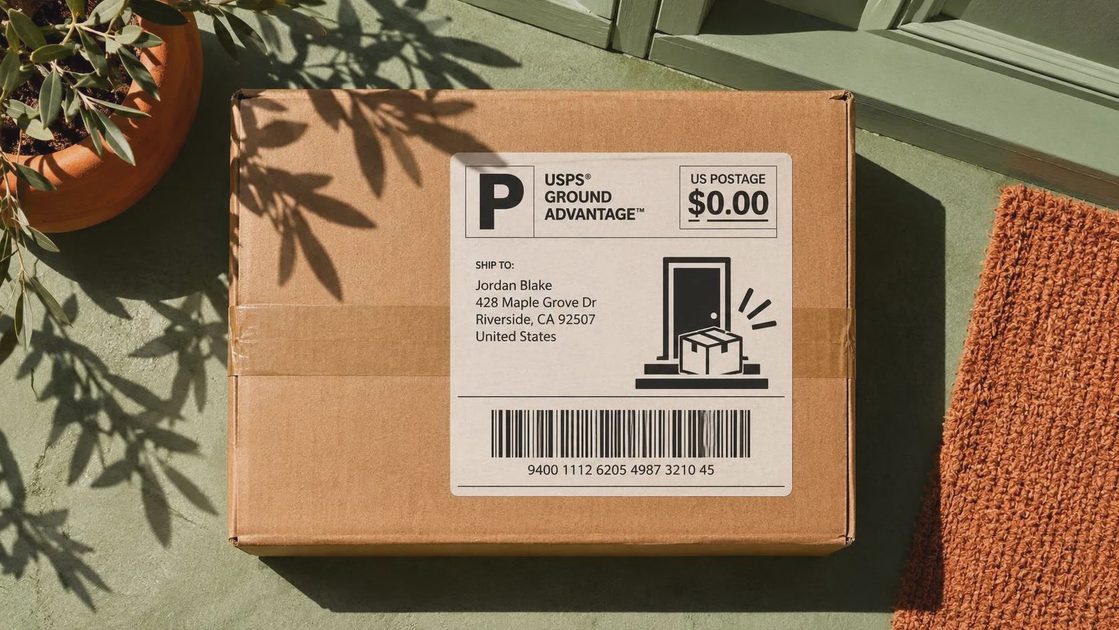
Another version involves a fake delivery notice. You receive a message saying that free shipping was interrupted because of an address problem. The link asks for a small redelivery fee, often less than $5. The real goal is to capture your card number, login password, or one-time security code. Legitimate delivery companies do not need your online banking password to correct an address.
The offer itself is not proof of fraud. Established retailers regularly use free shipping promotions. The warning signs are pressure, a strange web address, missing contact information, copied reviews, payment instructions that bypass the retailer’s checkout system, and demands for gift cards, cryptocurrency, wire transfers, or cash-app payments.

What to do in the first hour
If you already paid, stop communicating with the seller until you preserve the evidence. Take screenshots of the advertisement, product page, checkout screen, receipt, shipping promise, seller profile, emails, text messages, and every transaction. Save the exact website address. Write down when you saw the offer, when you paid, how much you paid, and what the seller promised. Write down the timeline before you make the next call.
Then contact the payment provider using the phone number on your card, bank statement, or official mobile app. Do not use a number supplied in the suspicious message. Explain whether the transaction was unauthorized or whether you authorized payment for merchandise that was never delivered or was misrepresented. Those are different dispute situations, and the representative needs accurate facts.
For a debit card, ask the bank about an electronic fund transfer dispute and whether your account needs temporary restrictions or a replacement card. For a credit card, ask how to dispute a billing error or merchandise-not-received charge. If your card number was exposed but no charge appears yet, request a replacement and monitor pending transactions. If you paid with a payment app, report the transaction inside the app and contact the linked bank or card issuer as well.
A report creates a record; it does not guarantee a refund. Ask for a case number, the submission deadline, the documents required, and the date by which you should follow up. Keep a written log with the employee’s name, date, time, and instructions.
When the payment was authorized by you
Many shoppers hesitate to report a scam because they personally clicked “buy.” That does not mean you should stay silent, but it does affect the language you use. Do not call an authorized purchase “unauthorized” simply because the seller lied. Say that you authorized a purchase from a seller that appears deceptive, the goods were not delivered, or the advertised terms were false.
The bank may ask for the order confirmation, promised delivery date, attempts to contact the merchant, and a description of what happened. Send a concise timeline rather than a long emotional explanation. For example: “On March 4, I paid $86.20 for a jacket advertised with free shipping. The seller promised delivery by March 12. The tracking number is invalid, the website is now unavailable, and the merchant has not responded to three messages.”
If you used a credit card, the issuer may request a written dispute within a stated period. Debit-card procedures can be more time-sensitive, so contact the bank promptly. Payment apps often have narrower recovery options, particularly when you approved the transfer yourself. Still report the fraud, request a review, and ask whether the recipient account can be restricted.
Do not pay a second company that claims it can recover the first payment. Recovery scammers search public complaints, social media posts, and stolen victim lists. They may pose as investigators, lawyers, bank employees, or government agents. If someone asks you to pay to recover your money, stop and verify.
Protect your identity after a fake store visit
A fraudulent checkout can expose more than your card number. If you reused the same password elsewhere, change it immediately, beginning with email. Use a new password for every important account and turn on multifactor authentication through an authenticator app or security key when available. Review email forwarding rules, recent sign-ins, saved payment methods, and unfamiliar devices.
If you provided your Social Security number, driver's license details, or other identity information, visit IdentityTheft.gov for a recovery plan. Consider placing a fraud alert or security freeze with Equifax, Experian, and TransUnion. A freeze does not affect your existing credit cards, but it can make it harder for a thief to open new credit in your name. Review your credit reports for accounts or inquiries you do not recognize.
Call the card issuer again if new transactions appear. Replace the compromised card rather than relying only on a merchant promise to remove your information. Watch bank and credit accounts for several months, because criminals sometimes wait before using stolen details.
How to recognize a safer online offer
Before buying, type the retailer’s address into your browser instead of clicking a social media advertisement. Check that the domain name is spelled correctly and that the contact page provides a real support channel. A padlock only indicates an encrypted connection; it does not prove that the business is legitimate.
Compare the price with several established retailers. A modest free shipping promotion is ordinary, while an expensive product offered far below market price deserves extra scrutiny. Search the company name with words such as “complaint,” “scam,” or “refund.” Look for a clear return policy, a physical business address, and payment by credit card through the retailer’s normal checkout. Avoid sellers who insist on gift cards, cryptocurrency, wire transfers, or direct person-to-person payment.
Give yourself time to verify. Fraudsters want you to act before you notice that the store is new, the reviews are copied, or the terms change at checkout. Slow down, write it down, and make the next call count.
A practical recovery sequence
Today, secure the payment method, preserve evidence, and report the transaction. Tomorrow, change reused passwords, review account activity, and contact the credit bureaus if identity information was exposed. During the next week, follow up with the bank using your case number, submit requested documents, and report the fake store to the Federal Trade Commission at ReportFraud.ftc.gov. You can also report suspicious messages to the platform where they appeared.
Keep every receipt, screenshot, email header, and shipping record in one incident folder. Never delete evidence because the website disappeared. If a bank denies a dispute, ask for the decision and appeal process in writing. The outcome is not guaranteed, but organized evidence gives investigators a clearer record and helps you identify the strongest escalation path. Free shipping should save a delivery charge, not cost you your card, identity, and peace of mind.



No comments yet.