If an unfamiliar number calls, let it go to voicemail and verify any urgent claim through a phone number you find independently. Spy Dialer is a reverse phone lookup service that may provide information associated with a number, but a result does not prove who called. Caller ID can be spoofed, and lookup records can be outdated. If you already shared account information or sent money, contact your bank or payment provider now rather than waiting for a lookup.
What Spy Dialer does
A reverse lookup starts with a phone number and searches for information associated with it. Depending on what a service has available, a result might include a name or other identifying details. Spy Dialer may be useful as a starting point when you want context for an unexpected call. It is not a substitute for confirming the caller through a trusted channel.
A matching name can be misleading for several reasons. Phone numbers change hands. A database may connect a number to an old account holder or business. And a scammer can make the number displayed on your phone look like someone else's number without controlling that person's phone.
No result is not proof of a scam, either. The number might be new, unlisted, or simply absent from the service's records. Treat the lookup as one clue, not a background check or a fraud determination.
How to check a suspicious call safely
Before entering a number into Spy Dialer, listen to any voicemail without calling back. Write down the displayed number, the time, and what the caller claimed. If the message says your bank account is at risk, use the number on your card or sign in through the bank's app or website yourself. Do not use a callback number supplied in the suspicious message.
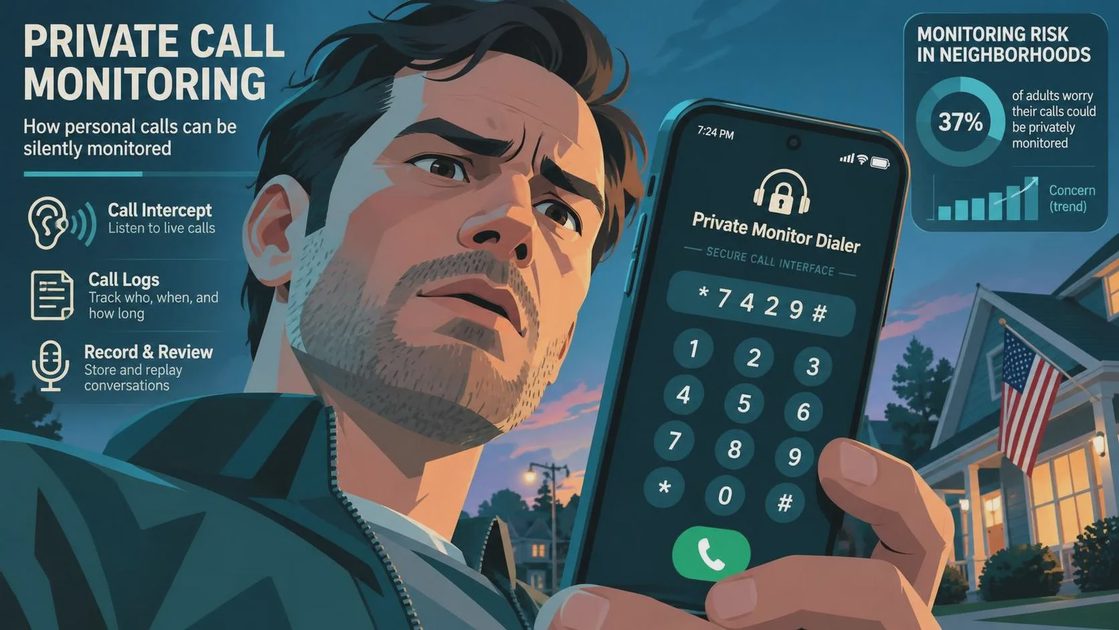
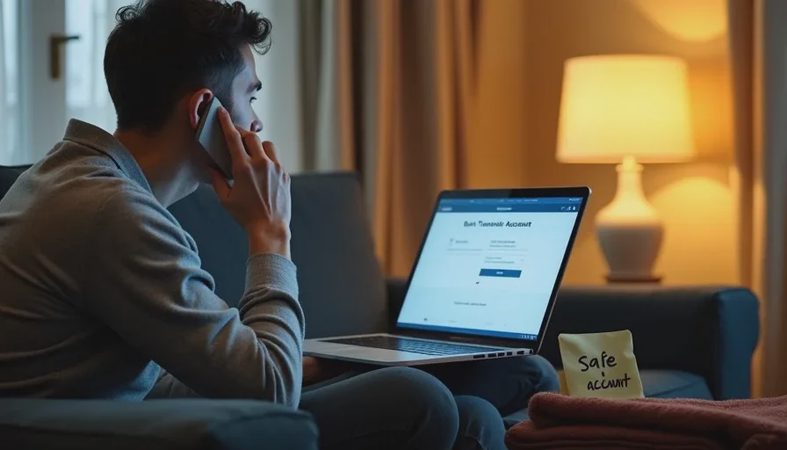
If a caller claims to represent a government agency, look up that agency's official contact information independently. A caller who pressures you to stay on the line, move money to a supposedly safe account, buy gift cards, or share a one-time security code is giving you reason to stop the conversation. Hang up, even if the number on your screen looks familiar.
For an unexpected call from a friend or relative asking for money, contact that person using a number you already have. If you cannot reach them, try another trusted family member. A reverse lookup cannot establish that the person on the line is safe or that an emergency is real.
You can say: "I don't discuss account information on incoming calls. I'll contact the organization using a number I find myself." A legitimate organization can handle you ending the call and checking independently.
What to know before using Spy Dialer
Read the site's terms and privacy policy before submitting a number. Look for what information the service collects, how it uses searches, whether results are free, and whether a link leads to a separate paid service. Service features and pricing can change, so check the page you are actually using before providing payment details.
Do not enter a Social Security number, bank login, card number, or one-time code into a reverse lookup site. None is needed to decide whether to call your bank using the number on your card. Be cautious of advertisements or search results that imitate the service you meant to visit; check the address before entering information.
If you find your own information displayed, look for the site's privacy or removal instructions. Follow the process described there, but avoid giving more sensitive information than the request reasonably requires. Removing one listing does not necessarily remove copies held by other data brokers or prevent information from appearing again.
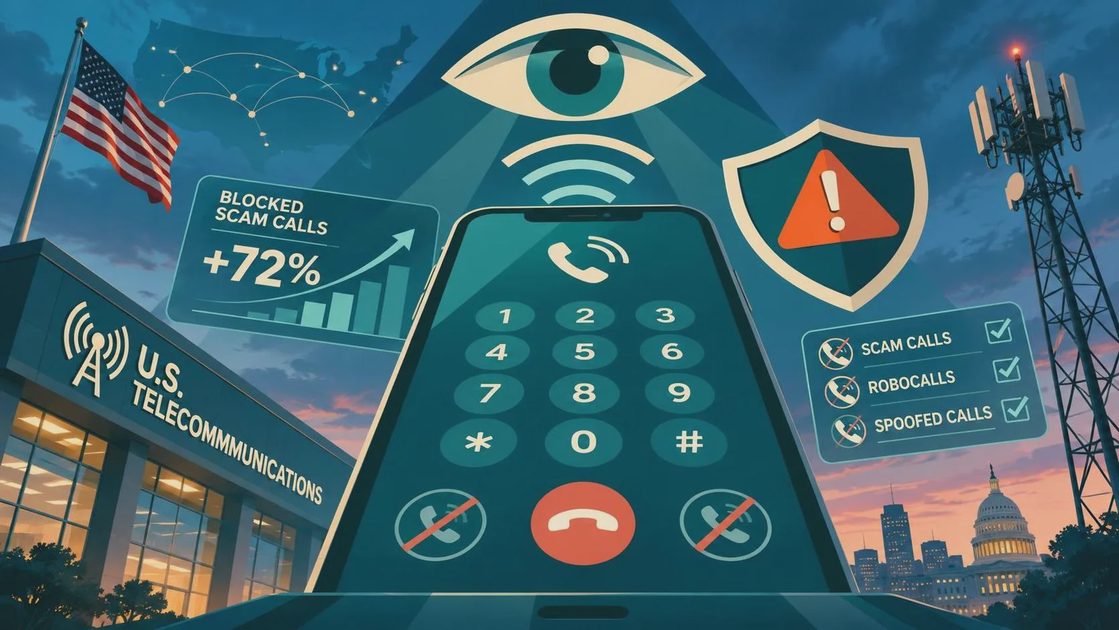
Blocking a number on your phone can reduce repeat calls from that particular number. It will not necessarily stop a caller who changes or spoofs numbers. Use your phone or carrier's call-filtering tools if helpful, while remembering that automated filters can also catch legitimate calls.
If you answered or shared information
Answering a call alone does not mean your bank account has been compromised. Your next step depends on what happened during the conversation.
If you disclosed a password or a one-time code, contact the affected company through its official website or a trusted number. Change the password, sign out of other sessions if the service offers that option, and review recent activity. If you reused that password elsewhere, change those accounts too. Ask the company what additional security steps it recommends.
If you shared a card or bank account number, call the financial institution promptly and explain exactly what was disclosed. Ask whether the card or account should be replaced and review transactions. Report any transfer you did not authorize as soon as you discover it. Timing and protections depend on the payment method and circumstances, so ask the institution about its applicable deadlines rather than assuming you have unlimited time.
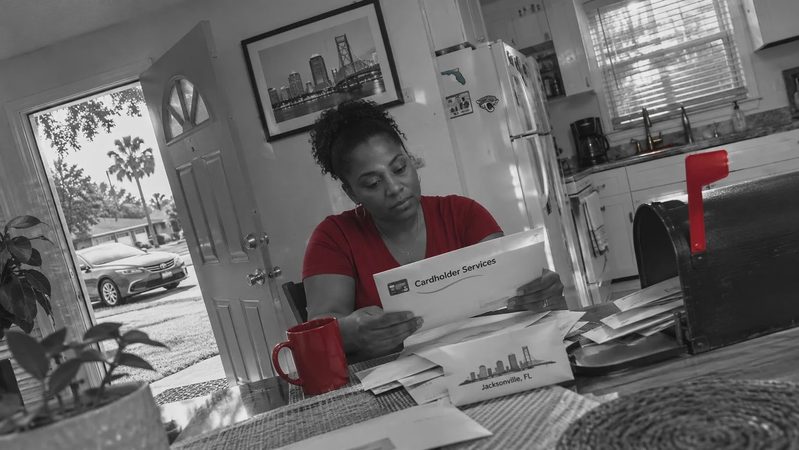
If you sent money yourself, say that plainly. An authorized payment made because of a lie is different from a transaction someone made without your permission. Ask the bank, card issuer, wire provider, or payment app whether it can stop or recall the payment and how to submit a claim. A recovery is not guaranteed, but contacting the provider quickly gives it the opportunity to act.
Make a record and avoid the second scam
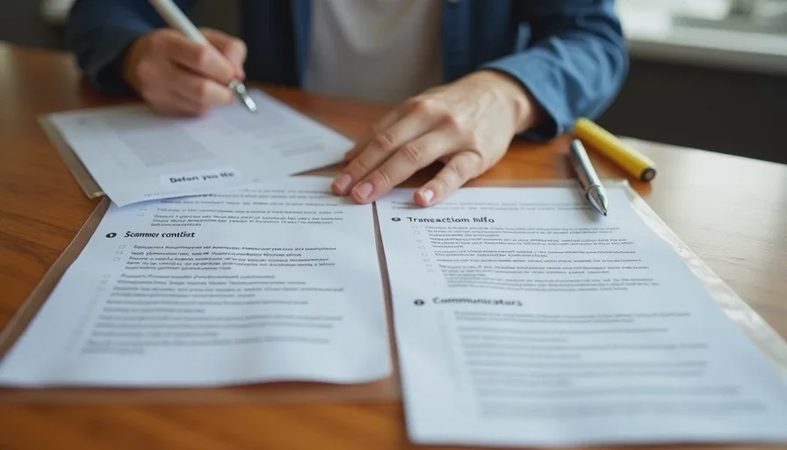
Save the voicemail, screenshots, transaction details, and any messages. Write down the date and time of each call to your financial institution, the representative's name, and any claim or reference number. Ask when you should expect an update and how to provide supporting records.
You can report fraud to the Federal Trade Commission at ReportFraud.ftc.gov. If someone used your personal information to open accounts or otherwise commit identity theft, IdentityTheft.gov can help you make a report and build a recovery plan. A report creates a record; it does not guarantee a refund.
Be especially cautious if someone contacts you afterward claiming to be an investigator or recovery specialist. A lookup result or a convincing title does not establish that they are legitimate. If someone asks you to pay to recover your money, stop and verify. Slow down, write it down, and make the next call count.
No comments yet.