If you searched for resume now because a charge appeared on your bank or credit card statement, start with the payment method, not the story. Resume Now is associated with online resume-building services, and a charge can result from a subscription, a trial that converted to paid billing, a family member’s purchase, or a transaction you did not authorize. The name on the statement may also differ from the website name you remember. Your goal is to identify what happened quickly, preserve evidence, and stop additional withdrawals.
Do not call a random number from a text message, pop-up, or search advertisement promising an instant refund. Fraud victims are often targeted by a second scam in which someone claims to be a bank investigator or recovery agent. Slow down, write it down, and make the next call count.
Check the charge before disputing it
Open your official banking or card app by typing the institution’s web address yourself or using its saved app. Find the transaction date, amount, merchant descriptor, payment type, and whether it is pending or posted. Take a screenshot and write the information in an incident folder. Include the last four digits of the card or account, but never share your full account number, password, security code, or one-time verification code with an unsolicited caller.
Search your email for “Resume Now,” “receipt,” “trial,” “subscription,” and “billing.” Check the inbox of anyone in your household who could have used the card. A legitimate receipt should show an order date, product, amount, and customer-service path. If the charge is only pending, the bank may not open a formal dispute yet, although it can still explain your options and help block further activity.
If you recognize the purchase but do not want future billing, cancel through the account or the company’s official support page. Save the cancellation confirmation and note the exact time. Cancellation prevents future charges; it does not automatically reverse a charge that has already posted.

Decide whether the payment was unauthorized
The key question is not simply whether you dislike the charge. It is whether you or someone you authorized made the transaction. If a stranger used your credit card details, report it as an unauthorized card transaction. If your debit card, checking account, or online banking credentials were involved, contact the bank’s fraud department immediately. Tell the representative that you need to report a potentially unauthorized transaction and ask what account protections should be placed today.
Resume Now billing can be confusing when a free or low-cost introductory offer turns into recurring billing under terms the customer did not expect. If you entered your card details and accepted a subscription, explain that history accurately. Ask the merchant for cancellation and a written billing explanation, then contact the card issuer if the merchant does not resolve the issue. Do not label an intentional purchase as fraud simply because the price or renewal surprised you; inaccurate statements can weaken your dispute.
For a card transaction, request a replacement card if you believe the number was exposed. For a compromised bank login, change the password from a trusted device, sign out other sessions if the bank provides that option, and ask whether the account needs a new number. Review recent transactions, bill-pay settings, linked payment apps, and new payees. A single unfamiliar charge can be the first visible sign of broader account access.
Use the right dispute path
Start with the institution that processed the payment. A credit card issuer, debit card bank, ACH processor, wire department, and payment app may use different investigation procedures. Say the transaction type clearly: “I am reporting an unauthorized transaction,” or “I authorized a subscription payment but dispute the billing or cancellation handling.” Ask whether the dispute must be submitted online, by phone, or in writing, and request a case number.
Write down the representative’s name or identification number, date, time, promised follow-up, and submission deadline. Keep copies of every form. For a credit card dispute, the issuer may request a written billing-error notice within a specified period. Debit card protections can depend on how quickly you report the loss and whether the card or account information was used. The bank can explain the applicable process, but waiting rarely improves your position.
Resume Now customer support may be useful for identifying an order or confirming cancellation, but a merchant cannot replace the bank’s dispute process. Send a concise message with the transaction date, amount, account email, and request. Do not include a full card number. A useful script is: “I found a charge I do not recognize. Please identify the order, explain whether recurring billing was active, cancel future billing, and provide written confirmation.”
Build evidence an investigator can use
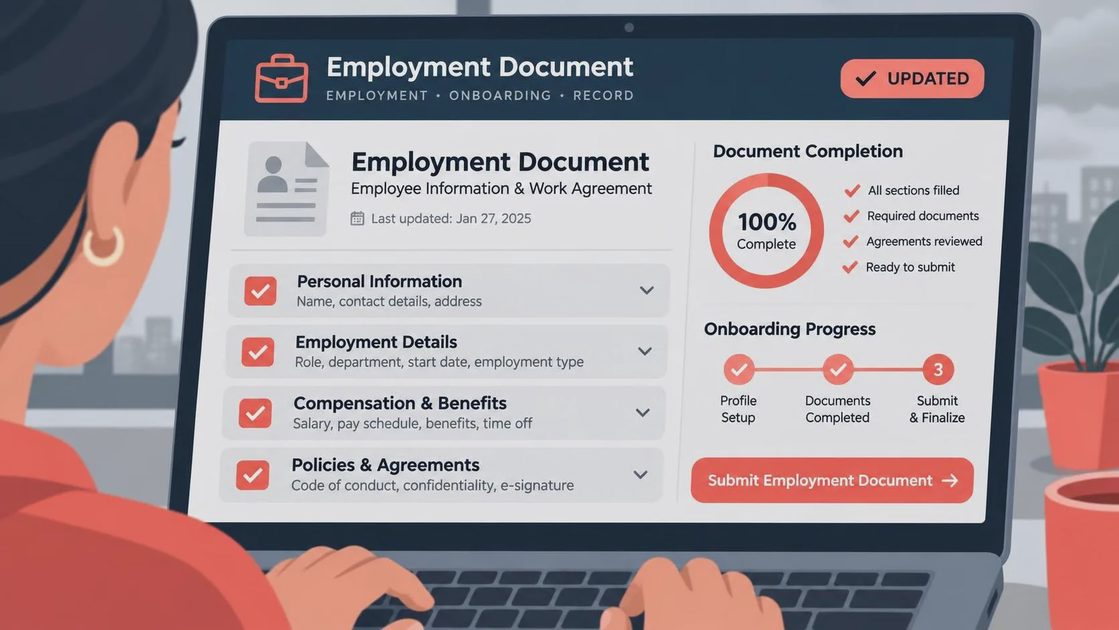
Create a timeline with four columns: date, event, evidence, and action taken. For example, record when you noticed the Resume Now charge, when you searched your email, when you canceled, and when you called the issuer. Add screenshots of the statement, receipts, cancellation pages, chat transcripts, emails, and phone records. Keep the original files and a separate copy in a secure location.
Avoid editing screenshots in a way that removes dates or amounts. If an email contains a suspicious link, do not click it again; save the message and report it through the official channel. If someone accessed your email, review forwarding rules, recovery addresses, connected apps, and login history. Change that password and any other account using the same password.
A report creates a record; it does not guarantee a refund. If personal information was misused, use IdentityTheft.gov for a recovery plan and consider a fraud alert or credit freeze through Equifax, Experian, and TransUnion. A freeze is free and restricts access to your credit file for new applications until you lift it. It does not stop existing account fraud, so continue monitoring bank and card accounts.
Know when to escalate
Escalate when the merchant will not explain the charge, the bank closes a claim without addressing your evidence, or additional transactions appear. Ask the financial institution for the written reason for its decision and the next appeal channel. You can also contact the Consumer Financial Protection Bureau about certain financial products or submit a complaint to the appropriate state consumer-protection office. Law enforcement reporting can be appropriate for identity theft or significant fraud, especially when you have transaction records, messages, phone numbers, or delivery information.
If the Resume Now charge was paid through PayPal, Apple, Google, or another wallet, open the transaction inside that platform’s official dispute center as well as contacting the funding institution. Do not assume that one complaint automatically reaches every party. Each processor may need its own notice, and deadlines can differ.
Protect yourself from the second scam
After a suspicious payment, expect convincing follow-up messages. A caller may know the amount, date, or last four digits because stolen data circulates among criminals. No legitimate investigator needs your one-time code to “secure” an account, and you should not move money to a “safe account” at someone’s direction. If someone asks you to pay an upfront fee to recover funds, stop and verify.
Resume Now questions should be handled through the official website, your bank, or your card issuer, not through an unsolicited refund service. Keep your notes factual, act promptly, and avoid shame. Whether the charge came from a misunderstood renewal or a true account compromise, the strongest response is the same: verify the transaction, protect access, preserve evidence, report through the correct channel, and follow up until you receive a clear written outcome.
If you are helping a parent, spouse, or friend, sit beside them while they call the bank rather than taking control of their passwords. Resume Now billing details, account alerts, and dispute numbers belong in the incident folder. The clearer the timeline, the easier it is for the right institution to understand what happened and decide what remedy its rules allow.



No comments yet.